15 Vegetarian Meal Prep Ideas That Even Meat-Eaters Will Want to Eat

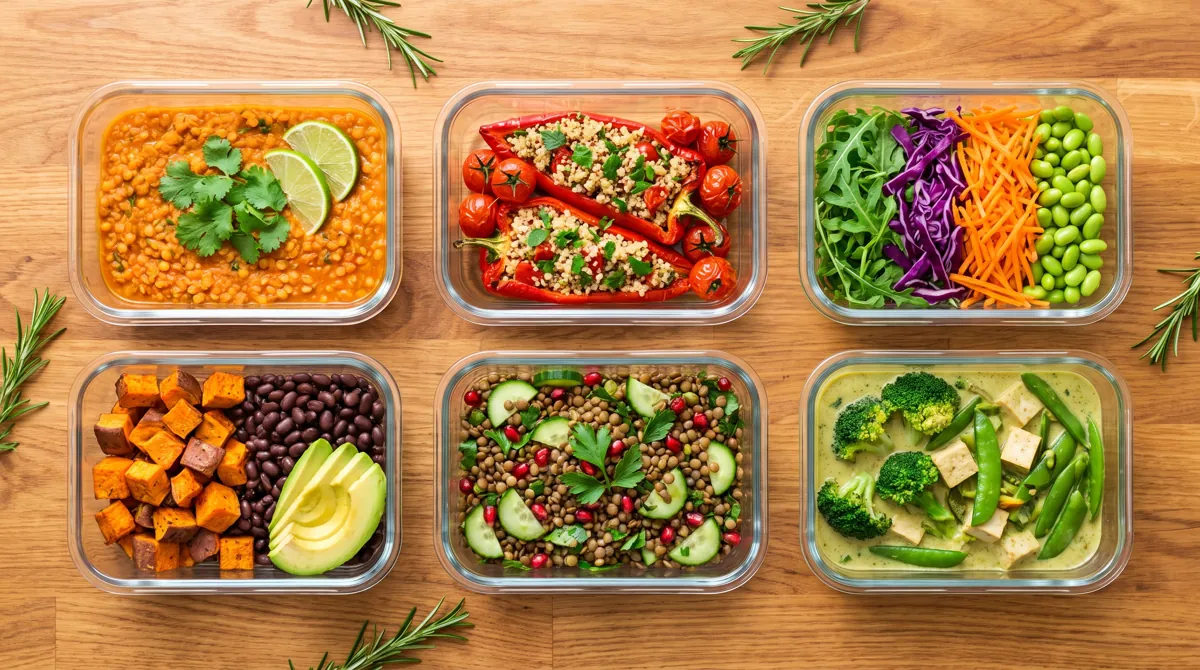
Vegetarian meal prep works best when you stop thinking about what you're leaving out and start thinking about what you're building in. These 15 ideas are organized by meal type, cover breakfast through dinner, and lean on protein-forward ingredients so you actually feel full. Most take between 20 and 45 minutes of active prep time on a Sunday, and they hold well in the fridge for four to five days. If you also want to cover the non-vegetarian days of your week, one-pan chicken prep uses the same sheet pan approach and fits into the same Sunday session. Explore more ideas in the Food and Kitchen category.
TL;DR
- 15 recipes across breakfast, lunch, and dinner, each built around a plant protein like lentils (18g per cooked cup) or tempeh (31g per cup).
- A 2-hour Sunday session (about 81 minutes hands-on) covers 4 to 5 days of meals.
- Cheaper than meat: a can of beans runs $1 to $1.50 versus $5 to $8 per pound of chicken breast.
Why Vegetarian Meal Prep Is Worth Your Sunday
The research on plant-based eating has gotten hard to argue with. A 2023 systematic review published in BMC Medicine found that vegetarian and vegan diets were associated with a 22% lower risk of ischemic heart disease compared to omnivore diets. A separate 2024 meta-analysis in PLOS ONE linked plant-based dietary patterns to reduced cardiovascular mortality and lower cancer risk across multiple cohort studies.
That doesn't mean you have to go fully vegetarian to see benefits. Harvard's T.H. Chan School of Public Health Nutrition Source notes that meal prepping, regardless of dietary style, is one of the most effective tools for consistently eating well, because it removes the daily decision fatigue that sends most people toward takeout. Batch a few plant-based proteins and grains on Sunday, and weekday meals essentially assemble themselves.
Mayo Clinic's nutrition team makes the same practical point: a well-planned vegetarian diet covers all the protein, iron, calcium, and B vitamins most adults need, provided you're intentional about including varied legumes, whole grains, eggs, or dairy. That's where meal prep earns its keep, since planning is exactly what it forces you to do.
The Protein Problem (And How to Solve It Before You Start)
The single biggest failure mode in vegetarian meal prep is ending up with carb-heavy containers that leave you hungry by 3pm. Every prep session should build around at least one dedicated protein source per meal. The most practical options that hold well in the fridge:
- Lentils (cooked): 18g protein per cooked cup, hold four to five days, absorb sauces well
- Chickpeas (roasted or plain): 15g per cup, versatile enough for bowls, salads, or wraps
- Firm tofu (baked or pan-fried): 20g per cup, takes on whatever marinade you give it
- Eggs (hard-boiled): 6g each, keep five days in the shell, fastest protein you can add
- Tempeh (sliced and marinated): 31g per cup, nuttier than tofu, better for anyone who finds tofu bland
- Greek yogurt (full-fat): 17g per 6oz serving, doubles as a sauce base in bowls
- Edamame (shelled): 17g per cup, goes from freezer to container in four minutes
Pick two or three of these per week and build everything else around them. That's the system.
Breakfast Meal Prep Ideas
1. Egg and Vegetable Muffin Cups
Whisk eight eggs with a handful of spinach, half a diced red bell pepper, and a quarter cup of crumbled feta. Pour into a greased muffin tin and bake at 375F for 18 minutes. Makes 12 muffin cups, roughly two per breakfast, keeps five days. Each cup has about 7g of protein. You can vary the filling by swapping in sun-dried tomatoes, olives, or whatever leftover roasted vegetable you have.
2. Overnight Oats With Hemp Seeds
Combine half a cup of rolled oats with three-quarters of a cup of milk (dairy or unsweetened oat milk), two tablespoons of hemp seeds (10g protein), one tablespoon of chia seeds, and a small drizzle of maple syrup. Seal in a jar and refrigerate overnight. Prep five jars on Sunday in about eight minutes total. The hemp and chia push the protein high enough that this actually functions as a meal rather than a snack.
3. Greek Yogurt Parfait Jars
Layer full-fat Greek yogurt with a tablespoon of almond butter, a handful of frozen (thawed) mixed berries, and two tablespoons of granola at the bottom so it doesn't get soggy. Keep the granola in a separate small bag if you want genuine crunch. Per jar: around 22g of protein. Assemble four jars in under five minutes.
Lunch Meal Prep Ideas
4. Lentil and Roasted Sweet Potato Bowls
Cook one cup of dry green lentils (yields about two and a half cups cooked). Cube two sweet potatoes, toss with olive oil, cumin, and smoked paprika, roast at 400F for 25 minutes. Layer over a base of baby spinach or arugula, add the lentils, a few spoonfuls of the sweet potato, and a drizzle of tahini-lemon dressing. This is genuinely one of the best things I've prepped, and it impresses meat-eaters because the sweet potato caramelizes and the lentils have real body.
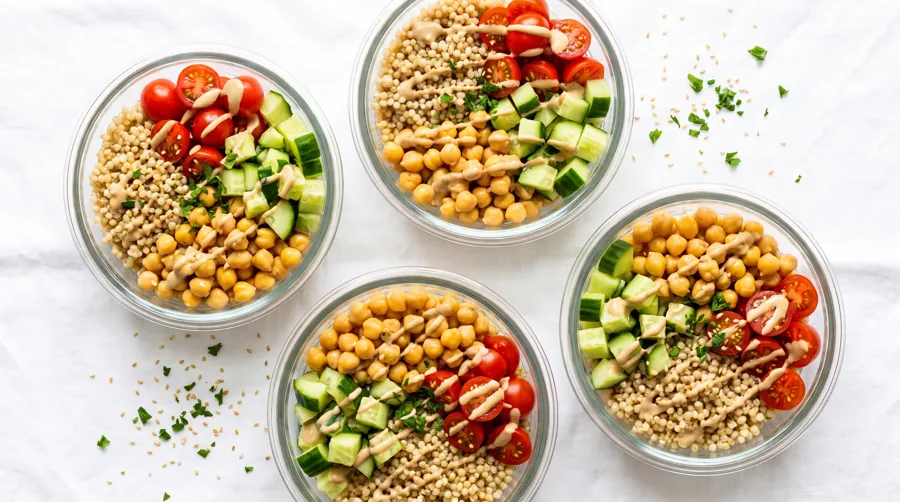
5. Chickpea and Farro Bowls
Farro takes about 30 minutes to cook but it's hands-off, and the chewier texture makes it more satisfying than rice. Drain and rinse a can of chickpeas, roast at 425F with olive oil and za'atar for 20 minutes until crispy. Combine farro, chickpeas, cucumber, cherry tomatoes, and a dollop of hummus. Top with a squeeze of lemon.
6. Black Bean and Brown Rice Bowls
Cook a cup and a half of brown rice on Sunday. Saute two cans of black beans with onion, garlic, cumin, and a pinch of chipotle powder, about 12 minutes. Divide into four containers with rice, corn, pickled red onion, and a spoonful of salsa. This one tastes better on day two or three as the flavors settle.
7. Tofu and Broccoli Sheet Pan
Press a block of extra-firm tofu for 20 minutes, cube it, and toss with soy sauce, sesame oil, and garlic powder. Spread on a sheet pan with broccoli florets. Roast at 400F for 25 to 30 minutes, flipping once. Serve over rice or noodles with a side of edamame. The tofu gets golden and chewy rather than soft, which is the version that wins over skeptics.
8. White Bean and Kale Soup
Saute onion, garlic, and celery in a large pot for five minutes. Add two cans of white beans, a can of crushed tomatoes, three cups of vegetable broth, and a big bunch of roughly chopped kale. Simmer 20 minutes, season with rosemary and lemon zest. Makes four hearty servings, freezes well, costs about $6 for the batch.
Dinner Meal Prep Ideas
9. Red Lentil Dal
Red lentils cook in 20 minutes and need no soaking. Saute onion, garlic, and ginger, add a tablespoon of curry powder and half a teaspoon of turmeric, then stir in a cup and a half of red lentils and two cups of vegetable broth. Cook until thick. Add a squeeze of lemon at the end. Serve over basmati rice. One batch yields four to five servings and reheats better than almost anything else in this list.
10. Stuffed Bell Peppers
Halve four bell peppers and remove seeds. Make a filling with cooked quinoa, canned black beans, corn, diced tomatoes, cumin, and shredded pepper jack or cheddar. Fill the pepper halves, top with extra cheese, and bake at 375F for 30 minutes. Store in a container stacked on their sides. They reheat in three minutes and actually look like a proper dinner rather than "meal prep."
11. Tempeh Stir-Fry Prep
Slice a block of tempeh thin, marinate for 15 minutes in soy sauce, rice vinegar, and a teaspoon of sesame oil. Pan-fry four minutes per side until caramelized. Combine with a bag of frozen stir-fry vegetables (saves chopping time), cooked soba noodles, and a simple sauce of tamari, ginger, garlic, and a splash of chili oil. This makes three generous portions.
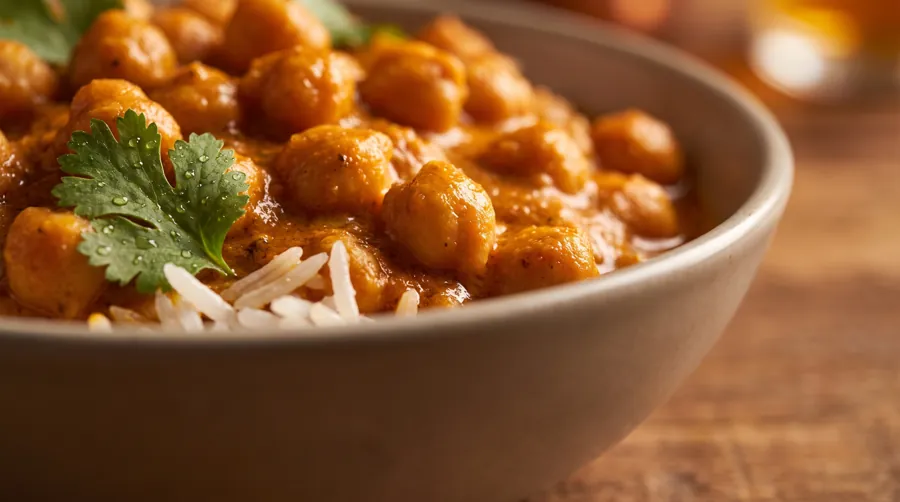
12. Chickpea Tikka Masala
Use two cans of chickpeas in place of chicken in any tikka masala recipe. The sauce, made from canned tomatoes, coconut milk, garam masala, cumin, and coriander, absorbs into the chickpeas overnight, making the second-day version richer than the first. Serve with naan or rice. This is the recipe I've seen consistently convert reluctant guests at dinner.
Snack and Component Prep Ideas
13. Roasted Chickpeas for Snacking
Drain, rinse, and thoroughly dry two cans of chickpeas. Toss with olive oil, smoked paprika, garlic powder, and a pinch of salt. Roast at 425F for 30 to 35 minutes until genuinely crunchy. Let cool before sealing in a container, or they'll steam themselves soft. They stay crispy for about three days, which is usually enough.
14. Prepped Grain Base: Quinoa or Farro
Cook a large batch of quinoa or farro on Sunday without any seasoning. Store in a container and use it as the base for bowls, soups, or salads throughout the week. Two cups dry quinoa yields about five cups cooked, enough for four to five lunch containers. Seasoning at assembly rather than at prep keeps it flexible.
15. Hummus and Veggie Snack Boxes
Make a batch of hummus from scratch (two cans chickpeas, tahini, lemon, garlic, two tablespoons olive oil, blended) or use store-bought. Portion into small containers with carrot sticks, cucumber slices, and a few whole grain crackers. Four snack boxes assembled in seven minutes. The protein from the chickpeas and tahini makes this substantially more filling than chips.
A 2-Hour Sunday Prep Schedule That Actually Works
| Time | Task | Hands-On Minutes |
|---|---|---|
| 0:00 | Start grains (quinoa or brown rice on stovetop) | 3 |
| 0:05 | Prep and roast vegetables + chickpeas (oven) | 10 |
| 0:15 | Start lentils or dal on a second burner | 5 |
| 0:20 | Assemble egg muffin cups, put in oven | 10 |
| 0:35 | Make hummus, prep veggie snack boxes | 10 |
| 0:50 | Assemble overnight oats jars | 8 |
| 1:00 | Pull vegetables and chickpeas from oven, let cool | 2 |
| 1:10 | Assemble grain bowls into containers | 10 |
| 1:25 | Package dal, label containers | 8 |
| 1:35 | Clean up, store everything | 15 |
Total active time: around 81 minutes. The rest is waiting for the oven or stove. The same parallel-cooking logic applies if you add a few high-protein non-vegetarian meals to the same session; the oven time overlaps and you still finish in roughly the same window. Starting the week with a clear morning routine also helps you actually eat what you prepped; a low-dopamine morning routine pairs well with grab-and-go containers already waiting in the fridge.
Watch: A Full 1-Hour Vegetarian Meal Prep Session
This video from Rainbow Plant Life walks through a complete one-hour meal prep from start to finish with plant-based ingredients, including sauces, grains, and proteins all prepped in parallel. The parallel-cooking approach in it, running the oven, stovetop, and cold prep at the same time, shaves 30 to 40 minutes off a linear prep session.
Key Takeaways
- Build every container around a dedicated protein: lentils, chickpeas, tofu, eggs, tempeh, edamame, or Greek yogurt
- Cook grains in bulk, season at assembly to keep them flexible across multiple meals
- Red lentil dal, chickpea tikka masala, and stuffed peppers all improve overnight as flavors develop
- Roast chickpeas and vegetables at the same time on different sheet pans to cut oven time
- A 2-hour Sunday session can cover 4-5 days of breakfasts, lunches, and dinners for one person (or two people for 2-3 days)
- Most containers hold well for 4-5 days refrigerated; dal and bean soup also freeze cleanly for 3 months
- Planning ahead before the grocery store is what prevents a carb-heavy, protein-light week
Frequently Asked Questions
How long does vegetarian meal prep last in the fridge?
Most cooked grains, legumes, and roasted vegetables hold well for four to five days in airtight containers. Leafy greens are the exception: store them dry and add them to bowls at serving rather than packing them into containers upfront, where moisture turns them limp within two days. Soups and dals can be refrigerated for four to five days or frozen for up to three months.
Is vegetarian meal prep actually cheaper than buying meat?
For most staples, yes. Dried lentils cost about $1.50 to $2.00 per pound and yield around 8 cups cooked. A can of chickpeas or black beans runs $1.00 to $1.50. A block of extra-firm tofu typically costs $2.00 to $3.00 and provides three servings with 20g protein each. Compare that to chicken breast at $5 to $8 per pound or ground beef at $6 to $10 per pound, and the savings across a week of meal prep are substantial.
Do I need special containers for vegetarian meal prep?
Glass containers with snap-lock lids are the most practical long-term option: they don't absorb smells, don't stain from tomato-based sauces, and go directly from fridge to microwave. The 2-cup and 4-cup sizes from brands like Pyrex or OXO work for most single-serving meals. Mason jars work well for overnight oats and snack portions. You don't need a matching set; a mix of whatever airtight containers you already own is a perfectly functional starting point.
What if I don't like tofu?
Try tempeh first. It's firmer, nuttier, and takes on a meatier texture when pan-fried or baked. If that's not appealing either, lentils, chickpeas, and eggs are the most versatile plant-based proteins for meal prep, work in almost every cuisine style, and convert the most skeptical eaters. A chickpea tikka masala made with a good sauce is harder to dismiss than plain baked tofu cubes.
Sources
- Vegetarian and vegan diets and the risk of cardiovascular disease: a systematic review and meta-analysis of prospective cohort studies - PMC/NIH
- Health Benefits of Vegetarian Diets: An Insight into the Main Topics - NCBI/PMC (2024)
- Cardiovascular health and cancer risk associated with plant based diets: An umbrella review - PLOS ONE
- Meal Prep Guide - Harvard T.H. Chan School of Public Health, The Nutrition Source
- Vegetarian diet: How to get the best nutrition - Mayo Clinic
Wellness Tabloid is reader-supported: this page shows ads and some outbound links may be affiliate links.
Fact-checked against cited sources. Reviewed by the Wellness Tabloid editorial team.