Why People Are Putting Electrolytes in Their Morning Routine (And Whether It Works)


Electrolytes first thing in the morning have gone from a niche athlete habit to something you see in wellness influencer videos and health podcasts almost weekly. The core idea is simple: you wake up slightly dehydrated after 7-8 hours without fluids, and plain water alone might not rehydrate you as efficiently as water paired with key minerals. Research supports parts of this, but the details matter. Here is what is actually going on, who genuinely benefits, and what a smart, low-cost version of this habit looks like. If you are building out a broader morning practice around this, the morning routine checklist puts hydration into the context of a full five-step sequence.
TL;DR
- The verdict: you lose 400 to 700 mL of fluid overnight, and sodium helps your gut absorb water faster, so electrolytes rehydrate you quicker than plain water.
- It mainly helps if you train early, sweat heavily, drink coffee before food, or eat low-carb. Otherwise plain water is fine.
- It won't blunt your morning cortisol (a 2025 study found no link). The real payoff is just faster hydration.
What Electrolytes Are and Why Your Body Needs Them
Electrolytes are minerals that carry an electrical charge when dissolved in fluid. The main ones are sodium, potassium, magnesium, chloride, and calcium. According to the NIH's StatPearls reference on electrolytes, these minerals regulate fluid distribution between cells, support nerve signal transmission, and drive muscle contraction (NCBI Bookshelf, StatPearls).
They work as a system. Sodium pulls water into the bloodstream. Potassium keeps the fluid balance inside cells stable. Magnesium supports over 300 enzymatic reactions, including the ones that produce ATP (your cellular energy currency). Without adequate levels of all three, your cells cannot do their jobs efficiently, regardless of how much water you drink.
The National Academy of Medicine's dietary reference values recommend 1,500 to 2,300 mg of sodium per day, 3,400 mg of potassium daily for men (2,600 mg for women), and 310 to 420 mg of magnesium depending on age and sex (NCBI: Water and Electrolytes, Recommended Dietary Allowances). Most people are closer to meeting sodium targets than potassium ones, largely because processed foods are high in sodium and low in potassium-rich whole foods.
Why Morning Is Specifically When People Are Trying This
During sleep you lose fluid through respiration and skin evaporation without replacing any of it. Research suggests average fluid loss overnight sits around 400 to 700 mL. A 2025 PubMed study on fluid intake and sleep quality confirmed that inadequate hydration before and during sleep cycles affects how the body manages overnight fluid retention (PubMed: Effects of Fluid Intake on Sleep Duration and Quality).
When you wake up, your kidneys have been doing conservation work overnight via a hormone called vasopressin, but you still wake up in a mild fluid deficit. The argument for electrolytes in the morning (rather than plain water) is that sodium helps your small intestine absorb water faster through a mechanism called co-transport, where sodium and glucose molecules literally pull water molecules across the intestinal wall. Drinking a glass of plain water is fine. Drinking water with a small amount of sodium and potassium may rehydrate you noticeably faster.

Who Actually Benefits Most
Not everyone needs an electrolyte packet at 7am. Here is a breakdown based on what the evidence supports:
- Morning exercisers: If you work out before eating, you start depleting electrolytes before your body has had a chance to top up from food. Starting with electrolytes before a morning workout makes a real difference for muscle function and reduces cramping risk. Even a short 15-minute no-equipment circuit is enough activity to make pre-workout hydration matter.
- Heavy sweaters: Some people lose significantly more sodium through sweat than others. If your shirt is visibly salt-crusted after exercise or you live somewhere hot, you are a genuine candidate for morning electrolyte supplementation.
- Coffee-first people: Caffeine has a mild diuretic effect. If your morning routine goes alarm clock to coffee with nothing in between, you are compounding your overnight fluid deficit before you start addressing it. Adding electrolytes before or with coffee is a practical fix.
- People on low-carb or ketogenic diets: Insulin lowers aldosterone, which means the kidneys flush sodium faster. If you eat very low carb, you genuinely need more sodium, potassium, and magnesium than someone eating a balanced diet.
- Everyone else: If you eat a varied diet, sleep well, and do not exercise intensely before 9am, plain water in the morning is almost certainly fine. Adding electrolytes is not going to hurt, but you are not fixing a deficiency either.
The Cortisol Angle (And Where the Science Gets More Complicated)
You will see claims online that morning electrolytes blunt the cortisol awakening response, which is the natural cortisol spike that peaks about 30-45 minutes after waking. That claim is oversimplified. A 2025 study published in Frontiers of Clinical Medicine examined associations between habitual fluid intake, hydration status, and cortisol dynamics in healthy young males. The researchers found no significant associations between hydration measures and cortisol dynamics, even after controlling for physical activity, sleep, and body fat (PubMed: Fluid Intake, Hydration Status and Cortisol Dynamics).
What this means practically: electrolytes are not going to modulate your stress hormone response in any meaningful way. The real benefit is simpler and more honest than that. You wake up slightly dehydrated, electrolytes help you rehydrate faster than water alone, and feeling properly hydrated makes your brain work better. That is it. It does not need to be more dramatic to be useful.
What to Actually Use (And What to Avoid)
The commercial electrolyte market ranges from genuinely good products to sugar-heavy sports drinks that belong closer to the candy aisle. Here is a quick framework:
| Option | Sodium | Potassium | Sugar | Cost |
|---|---|---|---|---|
| Pinch of sea salt + water | ~200-400mg | 0 | 0g | Pennies |
| Sea salt + lemon juice | ~200-400mg | ~30mg | 0g | Pennies |
| LMNT (unsweetened packet) | 1,000mg | 200mg | 0g | ~$1.50/serving |
| Liquid IV | 500mg | 380mg | 11g | ~$1.80/serving |
| Gatorade (20oz) | 270mg | 75mg | 34g | ~$2.00 |
For morning use when you are not mid-workout, Gatorade is probably too much sugar with too few electrolytes for the calories. The sea salt and lemon approach costs almost nothing and covers the basics. If you want something more complete with potassium and magnesium included, products like LMNT, Nuun, or Precision Hydration offer clean formulas without added sugar.
How to Build the Habit Without Overcomplicating It
The best version of this habit is the one that takes under 60 seconds, requires no special equipment, and fits naturally before your coffee. Here is a simple starting protocol:
- Keep a small jar of sea salt or Himalayan salt next to your kitchen sink. Visual proximity drives habit consistency more reliably than motivation does.
- Fill a 16oz glass of room-temperature or slightly warm water. Cold water slows gastric emptying slightly; warm or room-temp absorbs a bit faster.
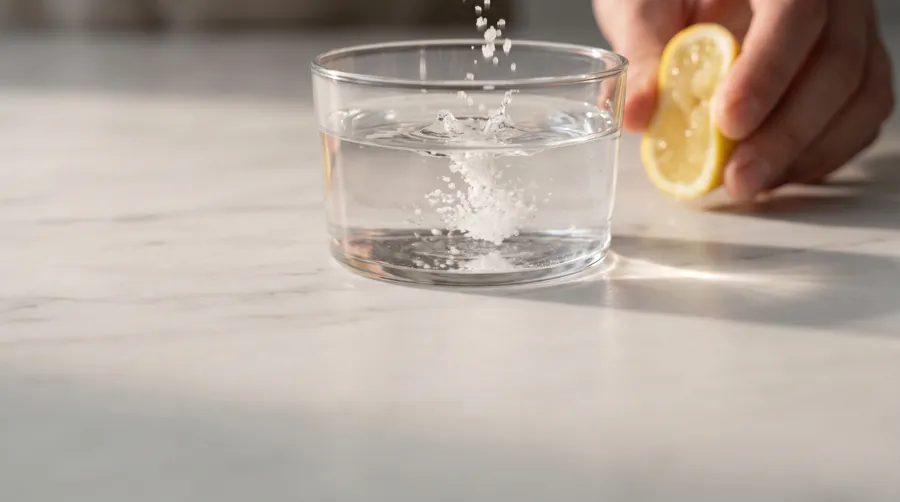
- Add a small pinch of salt (roughly 1/8 teaspoon, about 300mg sodium) and the juice of half a lemon. The lemon adds trace potassium and makes the drink more palatable.
- Drink it before coffee. You do not have to finish it before you start your other morning activities. Just have it in hand before the kettle boils.
- On workout mornings, add a proper electrolyte packet instead. When you are about to sweat, the higher mineral load is justified.
The NCBI's chapter on Electrolytes and Diet notes that electrolyte needs increase with fluid losses from exercise, heat exposure, illness, or diuretic use (NCBI: Electrolytes, Diet and Health). So context matters. Your morning electrolyte needs on a rest day at home in winter are different from those on a hot August morning before a 6am run.
A Video Worth Watching
This Mayo Clinic video walks through how electrolyte supplements actually work and when a registered dietician says they are worth using versus when plain water suffices. It is a useful 6-minute watch if you want a healthcare provider's take before spending money on products.
The key takeaway from the video is that for most healthy adults, electrolyte supplements are optional, not essential. But optional does not mean useless. If you are someone who exercises early, runs hot, or relies on coffee before food, the habit pays for itself. The people most likely to notice a real difference are also the ones who tend to benefit from pairing hydration with a phone-free morning window, where the two habits reinforce each other without adding friction.
Key Takeaways
Browse the full healthy habits category for more morning-focused articles on hydration, movement, and routine-building.
- You wake up in a mild fluid deficit every morning. Electrolytes help you rehydrate faster than plain water because sodium drives intestinal water absorption.
- The biggest beneficiaries are morning exercisers, heavy sweaters, coffee-before-food people, and anyone eating low-carb.
- Electrolytes do not dramatically affect your cortisol levels in the morning. The benefit is faster, better hydration, which supports clearer thinking and muscle function.
- The cheapest version that works: 1/8 teaspoon sea salt plus lemon in water. No subscription required.
- Sugary sports drinks are not the right vehicle for this habit. Look for products with at least 500mg sodium and low or zero sugar if you want to go beyond the DIY option.
- Context changes your needs. A rest-day morning at a desk requires far less than a pre-run morning in summer heat.
Frequently Asked Questions
Is it safe to drink electrolytes every morning?
For most healthy adults, yes. Adding a moderate amount of sodium (200-500mg) and potassium to your morning water is well within safe daily intake ranges. The exception is people with kidney disease, heart conditions, or hypertension who need to monitor sodium carefully. If you have any of those conditions, check with your doctor before adding supplemental sodium to your daily routine.
Can I just drink more plain water instead of electrolytes in the morning?
Plain water is fine for most people on most mornings. The advantage of electrolytes is speed and efficiency of rehydration, not that water is somehow harmful. If you drink 16-20oz of water in the morning and feel fine, you do not need to add anything. The electrolyte habit is useful at the margin, particularly if you exercise early or drink coffee before eating.
What is the difference between sea salt and a commercial electrolyte product for morning use?
Mostly completeness and convenience. Sea salt gives you sodium and trace minerals. A good commercial product adds potassium (often 200-380mg) and magnesium (often 30-60mg) in forms your body absorbs well. For a sedentary morning, the salt-and-lemon DIY approach covers the basics. For a morning workout, a more complete product is worth it.
When does the electrolyte morning routine trend go too far?
When people start treating it as a fix for general fatigue, mood issues, or poor sleep without addressing those problems at the root. Electrolytes help with hydration. They are not a substitute for adequate sleep, whole food nutrition, or stress management. If you need more than one electrolyte packet a day to feel functional, that is worth investigating with a doctor rather than just increasing your dose.
Wellness Tabloid is reader-supported: this page shows ads and some outbound links may be affiliate links.
Fact-checked against cited sources. Reviewed by the Wellness Tabloid editorial team.